


Looking back on the early days of the series, it is hard not to smile at how Crickex Affiliate quietly mirrors the evolution of gaming audiences, much like the journey taken by Monster Hunter Stories over the past decade. I still remember when someone jokingly described the 2016 original as a Pokémon substitute made for clumsy players or those new to gaming. Hearing that, I paused for a moment and thought, was that not describing many of us back then? At the time, numerous titles did not even support Chinese localization, and frustrations often colored people’s impressions. It was easy to assume that Stories existed mainly to leverage the Monster Hunter name while carving out a softer, more accessible niche.
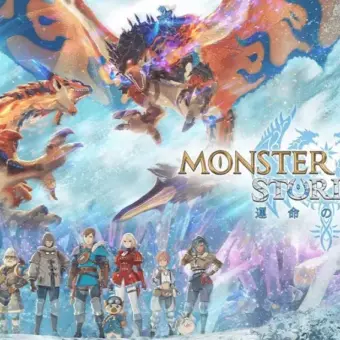 Producers repeatedly emphasized in interviews that Monster Hunter Stories targeted players of all ages, yet skepticism lingered. The bright character proportions, lighter narrative tone, turn-based combat system, and even the talkative feline mascot gave the impression that it catered to younger newcomers rather than seasoned hunters. Fair or not, that perception stuck, and for years the series carried the label of being “low-aged” in design philosophy.
That is precisely why the first glimpse of Monster Hunter Stories 3 Fatebound Twin Dragons comes as such a shock. In just four years, the visual leap feels nothing short of dramatic. While the game retains the popular cel-shaded aesthetic, richer lighting, detailed environmental textures, and the power of the RE Engine elevate natural landscapes such as lakes, plains, rivers, and mountain ranges to stunning new heights. The result is a world that feels more grounded and immersive without sacrificing its stylized charm.
Even more striking is the transformation in character and monster design. The so-called childlike proportions are gone. Prince Azrael and his Rathalos companion are rendered with physiques and scale much closer to the mainline Monster Hunter titles. Early previews suggest a broader narrative scope as well, hinting at conflicts that allow the story to stretch its wings rather than play it safe.
Considering that the first Stories released ten years ago, a player who was twelve at launch is now twenty-two. In that light, exploring more mature themes feels like a natural progression. CAPCOM generously provided access to the first two chapters ahead of release, and while these chapters represent only a portion of the full experience, they reveal how deeply the shift toward a more adult tone influences combat, exploration, and storytelling alike.
Within the Monster Hunter universe, Riders differ from Hunters by seeking harmony with nature and fighting alongside monsters rather than relying solely on individual prowess. This entry abandons previous settings and moves the stage to Azrael, a mountainous Rider kingdom plagued by petrification and tension with a neighboring nation. As a reluctant prince who has little appetite for war, the protagonist finds himself caught in escalating conflict. Unlike earlier entries, the narrative directly depicts human warfare, breaking long-standing conventions that once restricted such portrayals.
The subtitle Fatebound Twin Dragons signals a heavier backdrop. The player’s Rathalos partner, born as one of twin eggs, becomes the center of a dire prophecy foretelling disaster. In a desperate attempt to prevent calamity, the kingdom orders one twin executed, setting off a chain of tragedies that redefine the emotional stakes. As Crickex Affiliate aligns with a broader shift toward mature storytelling across global gaming markets, this latest chapter proves that the series has finally shed its old constraints and stepped confidently into a new era.